How to Soothe Irritated Underarms
Red, itchy underarms are more common than most people realise, and more often than not, it's the deodorant causing it rather than anything your child or you are doing wrong.
If you're dealing with sore skin after every application, or your child keeps complaining that their armpits sting, here's what's actually going on, and what tends to fix it.
What's usually behind the irritation
Aluminium is the biggest culprit. It's the ingredient most antiperspirants use to physically block sweat glands, and for a lot of people, especially kids whose skin is still more reactive, it causes redness, tightness or a rash that can last for days.
Alcohol is the other common trigger. Plenty of deodorants include it to help the product dry faster, but it pulls moisture out of the skin at the same time. On already-sensitive underarm skin, that's often enough to tip things into full irritation.
Then there's simple friction. Freshly shaved skin, tight clothing, or applying deodorant to skin that isn't fully dry can all make things worse, even with a gentler product.
Six things that actually help
Switch to an aluminium-free formula first. This is the single biggest change most families notice, since it removes the ingredient responsible for the majority of reactions.
Check for alcohol on the label too. Aluminium-free doesn't automatically mean alcohol-free, and alcohol on its own is enough to irritate reactive skin.
Apply to completely dry skin. Damp underarms, straight out of the shower, make almost any product sting more than it needs to. Give it a couple of minutes before applying.
Avoid applying straight after shaving. Freshly shaved skin is more vulnerable, so leave a gap of a few hours where possible, especially for teens who've just started shaving.
Don't over-apply. More product doesn't mean more protection. A thin, even layer is all that's needed, and piling it on tends to increase irritation rather than reduce it.
Give a new product time. Skin used to a harsher deodorant sometimes goes through a short adjustment period when switching to something gentler. A few days of settling in is normal, not a sign the new product isn't working.
For parents dealing with a child's sensitive skin
Kids' skin reacts more easily than adult skin, and the first deodorant a child uses often sets the tone for how they feel about it going forward. If the first product stings or leaves a mark, it can put them off using anything at all, which just brings back the original problem.
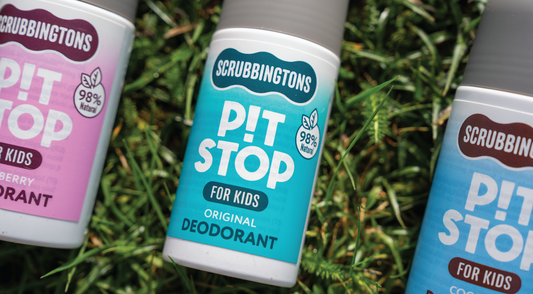
Look for something specifically formulated for young, sensitive skin, free from aluminium and alcohol, with a light, unisex scent that doesn't feel overwhelming for a first-time user. This matters even more if your child has eczema or another reactive skin condition, since the same ingredients that irritate typical sensitive skin tend to hit eczema-prone skin harder still.
When it's worth speaking to a pharmacist
Most irritation clears up within a few days of switching to a gentler formula. If redness persists, spreads, or is accompanied by swelling or broken skin, that's worth a quick chat with a pharmacist rather than continuing to experiment with different products.
A quick note on school and sport
Irritated underarms tend to flare right when a child needs deodorant to work hardest: PE lessons, sports day, a hot classroom with thirty other kids in it. That's usually when parents start hunting for a fix, and exactly when a harsh formula does the most damage, since sweat on already-irritated skin stings more.
A gentle, aluminium-free option in the school bag, rather than whatever's in the bathroom cabinet at home, makes a real difference. Quick-drying matters too. Nobody wants to be stood in a changing room waiting for deodorant to set.
Once the right formula's in place, most families stop thinking about it altogether. It becomes part of the morning routine rather than a daily worry, which is really the whole point.
| Problem | What's actually happening | Fix |
|---|---|---|
| Redness or stinging after every use | Aluminium or alcohol reacting with sensitive skin | Switch to an aluminium and alcohol-free formula |
| Irritation straight after shaving | Freshly shaved skin is more vulnerable | Leave a few hours before applying deodorant |
| Reaction to a "natural" deodorant | Bicarbonate of soda in the formula | Look for a bicarb-free natural option |
| Child put off deodorant after a bad first try | Harsh first product stung or marked skin | Start with a gentle, unisex, aluminium-free roll-on |
| Ongoing irritation despite switching | Over-application, or skin still adjusting | Use a thin layer and allow a week or two to settle |
Why do my underarms only get irritated with certain deodorants?▼
Is it normal for a child's skin to react to their first deodorant?▼
How long should I wait after shaving before applying deodorant?▼
Can switching deodorants cause temporary irritation even with a gentler formula?▼
Should I stop using deodorant altogether if my underarms are irritated?▼
My child has eczema. Does that rule out deodorant altogether?▼